$ cat notes/from-sealife-to-nauticam.md
From a SeaLife to a Nauticam
How I got here
There seems to be a natural progression in diving: once qualified, people generally take one of two paths, towards more technical diving or towards photography and videography. In rare cases it’s both, and that’s often whose work you see on the BBC, in NatGeo or in other professional settings.
I got into it by accident, and slowly upgraded and gained experience along the way. I never imagined I’d finally sacrifice money to the gadget gods and go all in on a mirrorless system underwater, but here we are, and this is the journey of how I got there.
SeaLife Micro HD, 2015–2017
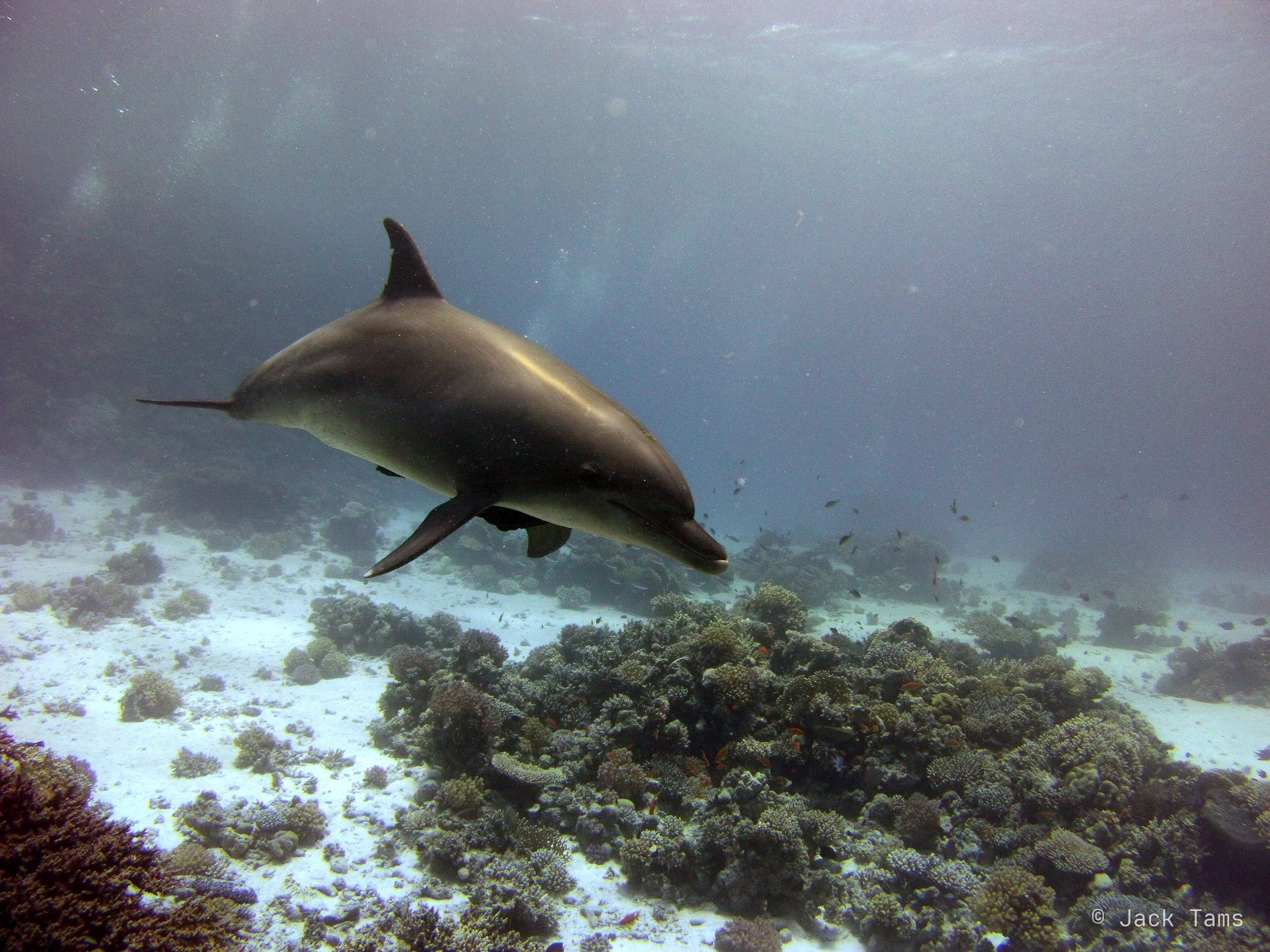
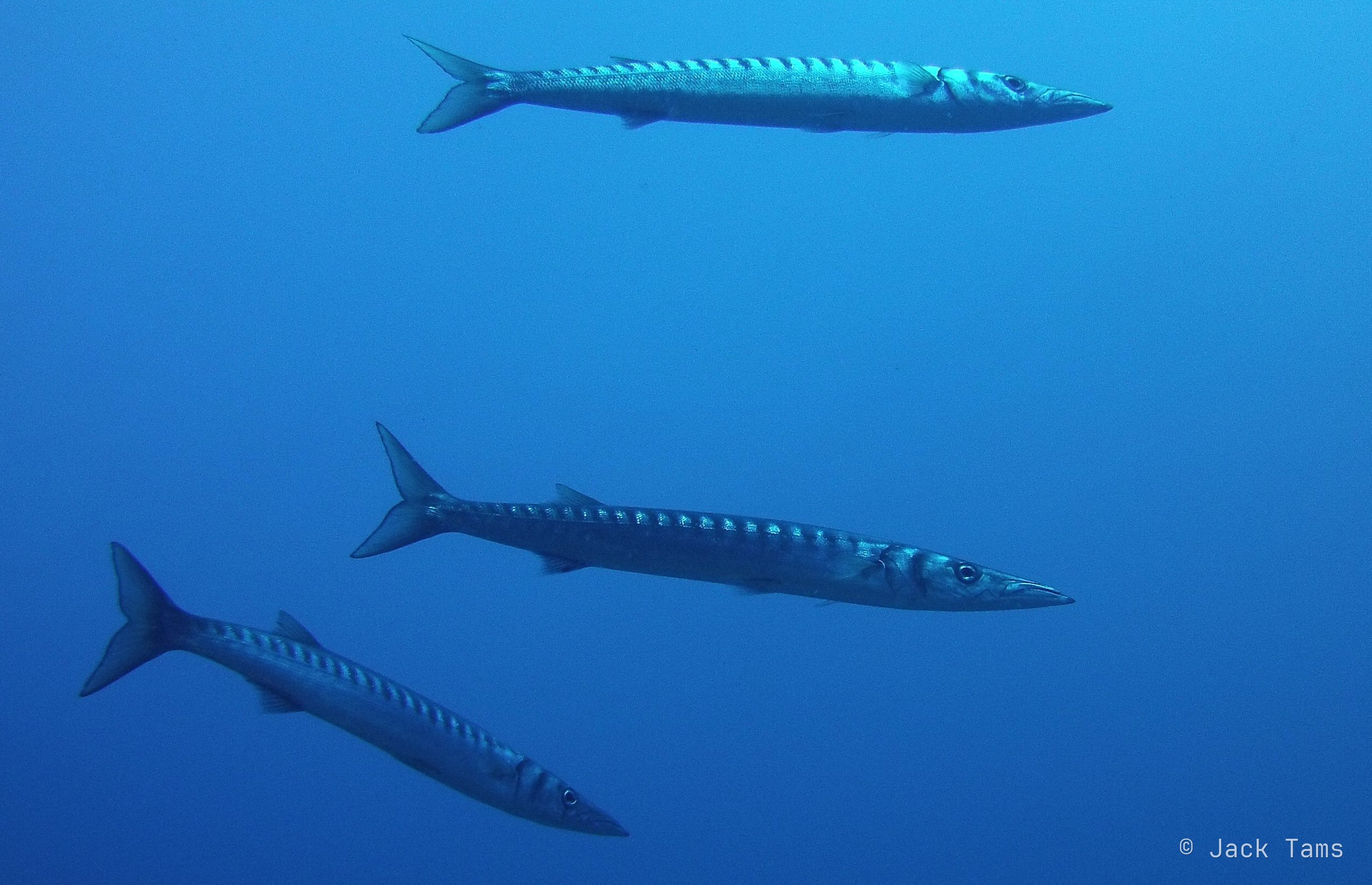
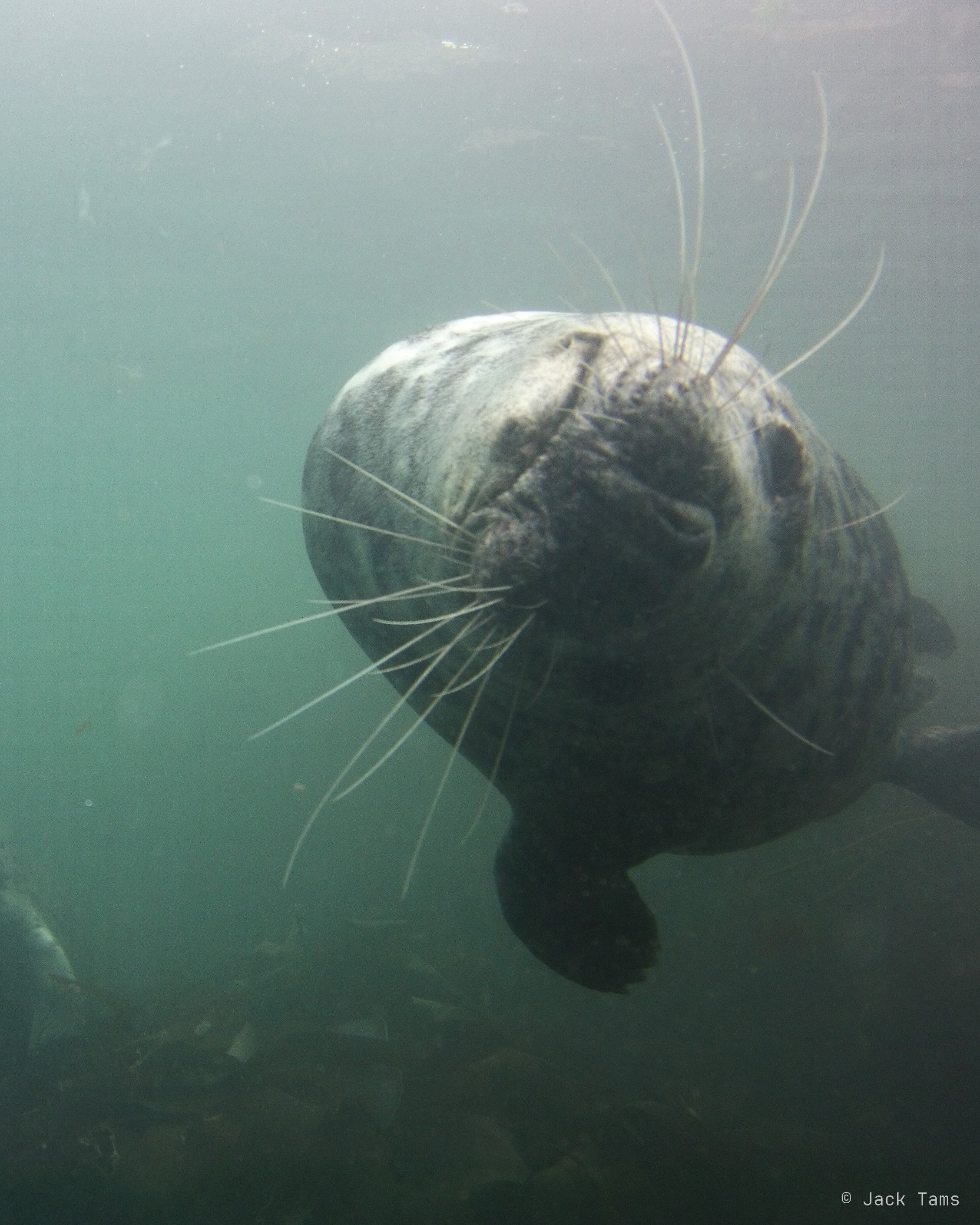
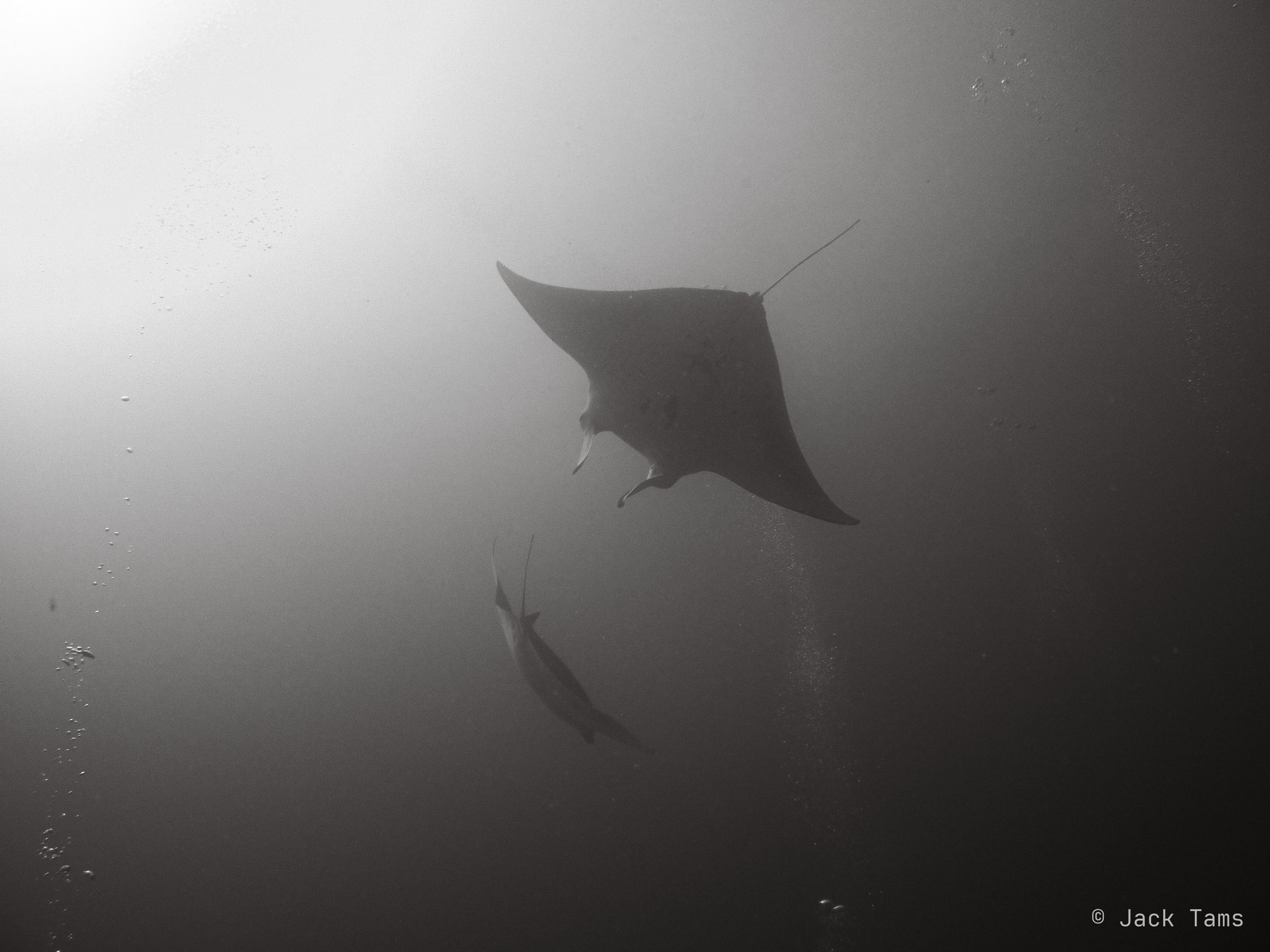
My first underwater camera was a SeaLife Micro HD, bought in November 2015: a small sealed camera with no housing to flood. It came on six trips, from the USNS Vandenberg in the Florida Keys in 2015 to the mantas in the Maldives in 2017, with a Sea Dragon 2000 dive light as the only light. A fair few of its photos have since had their colour cast taken out.
Canon G9 X Mark II, 2018–2026
In 2018 it gave way to a Canon PowerShot G9 X Mark II, a compact with a 1-inch sensor, in a Fantasea FG9X housing with an INON S2000 strobe, and the Sea Dragon carried on as its light until a ripping current took it in Moalboal in 2019. The G9 X stayed my underwater camera for eight years and eighteen trips, from my first thresher shark at Little Brother in 2018 to a pygmy seahorse in the Philippines in July 2026. It followed me to the Galápagos too, for the whale shark at Darwin .
The kit grew around it: a Weefine Smart Focus 5000 in 2022, my first light since the Sea Dragon (it’s since had the v2’s control head), and two wet lenses to put on the port underwater, an INON UWL-H100 wide-angle and a Weefine WFL03 macro.
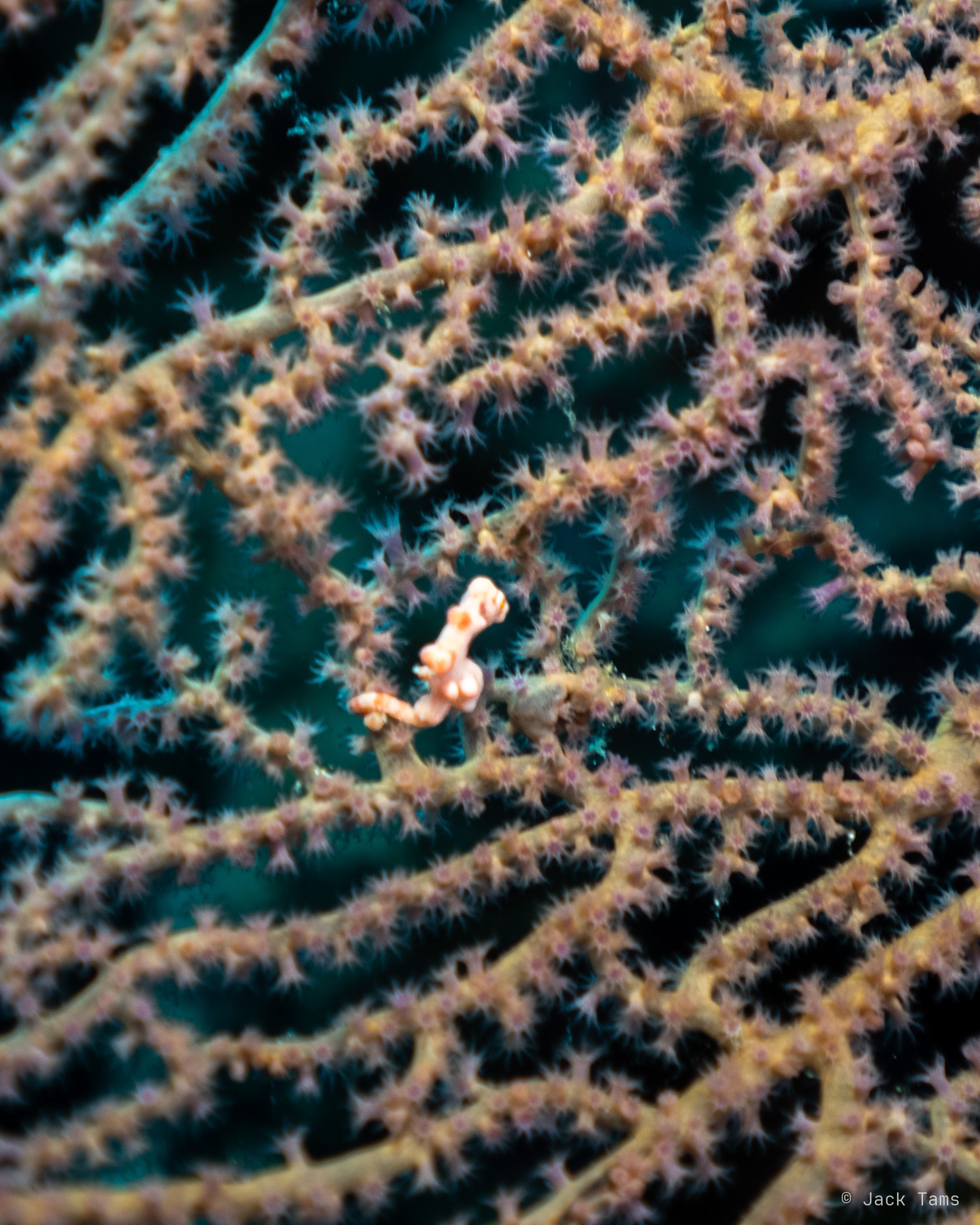
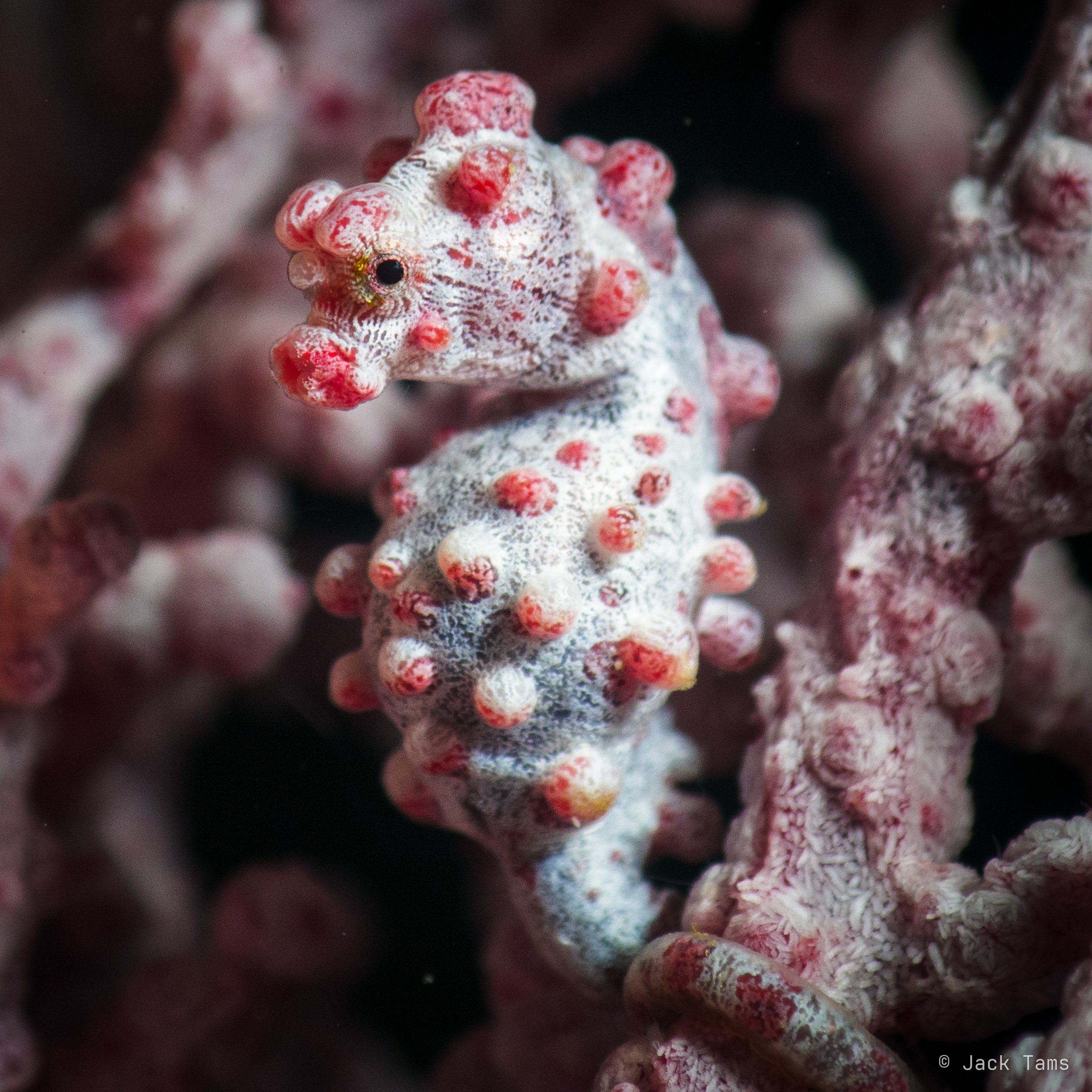
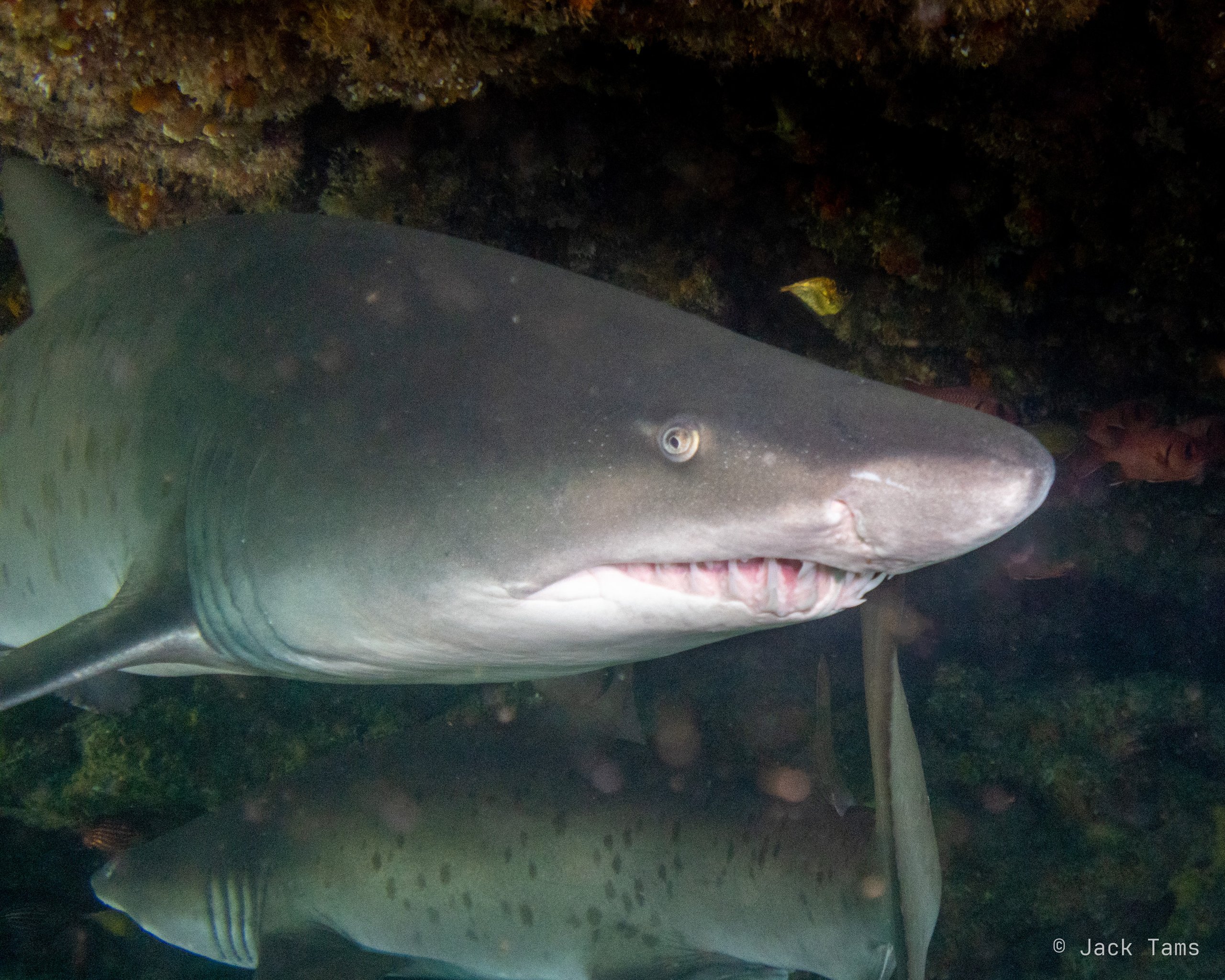
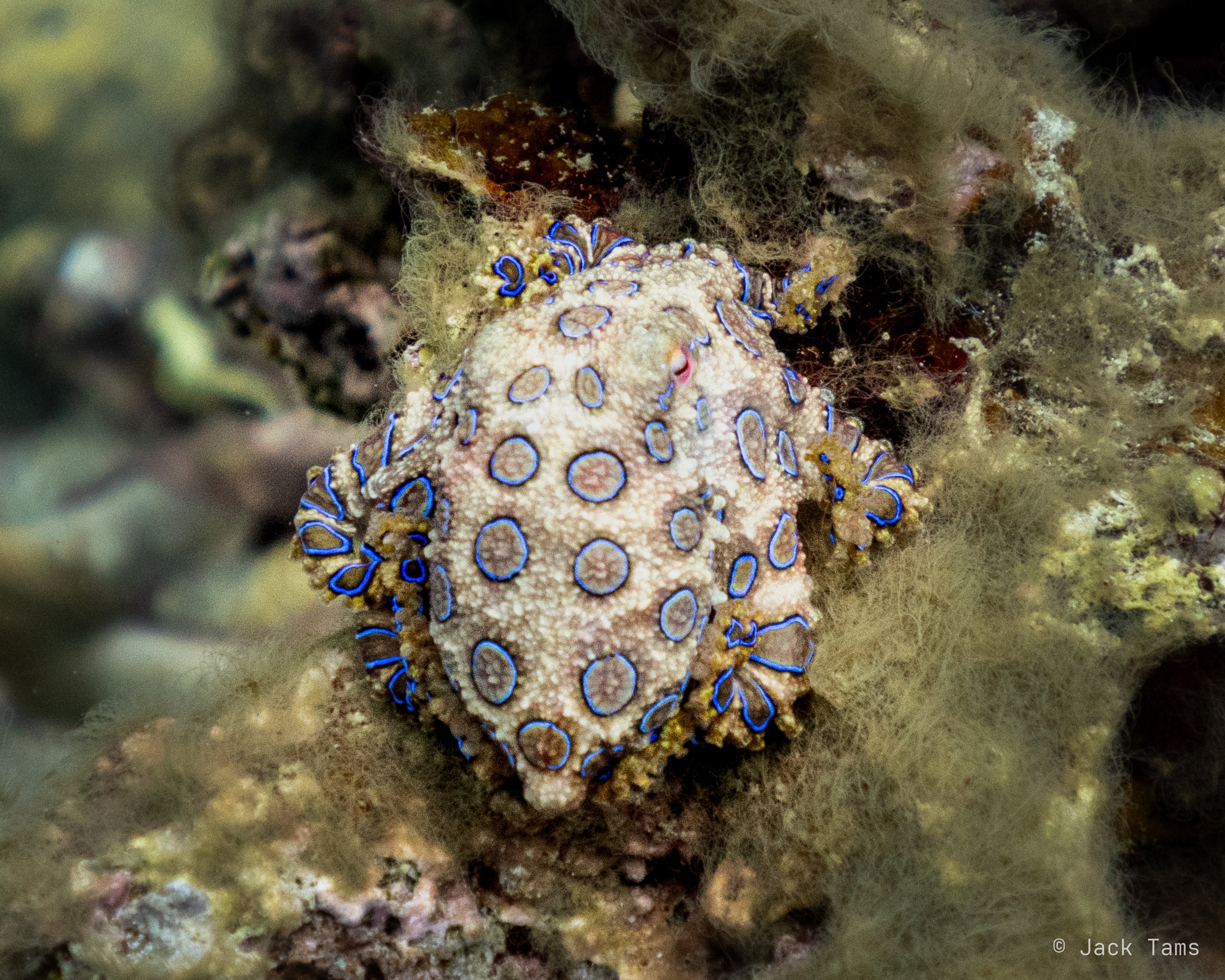
I got on with the wide-angle almost straight away; the tiger sharks of Fuvahmulah were shot through it. The macro took me nearly the full eight years to get shots from that I liked, and the pygmy seahorse in the Philippines is my best with it. Both of these came out of the same camera, seven years apart, and it’s hard to believe:
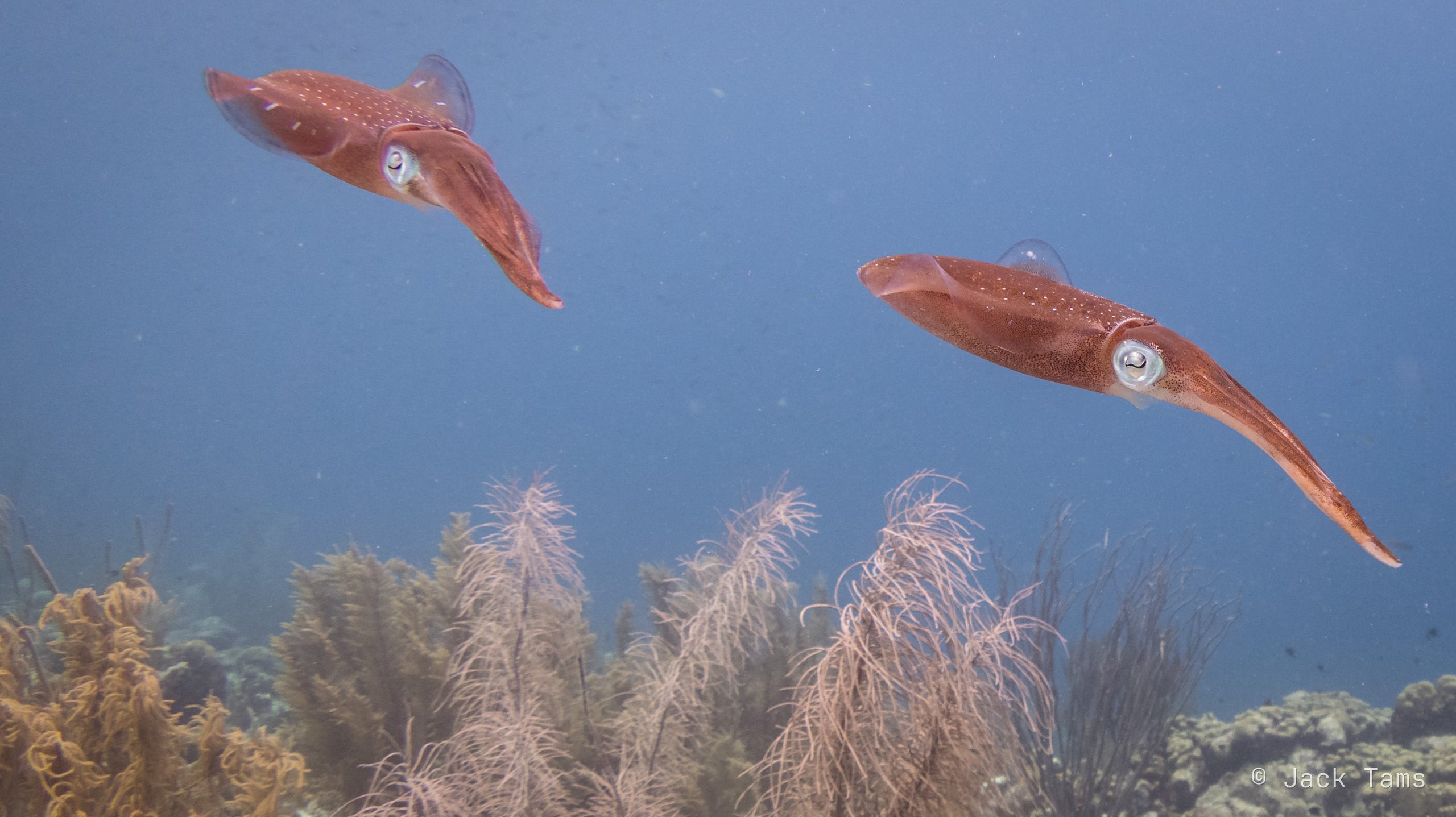
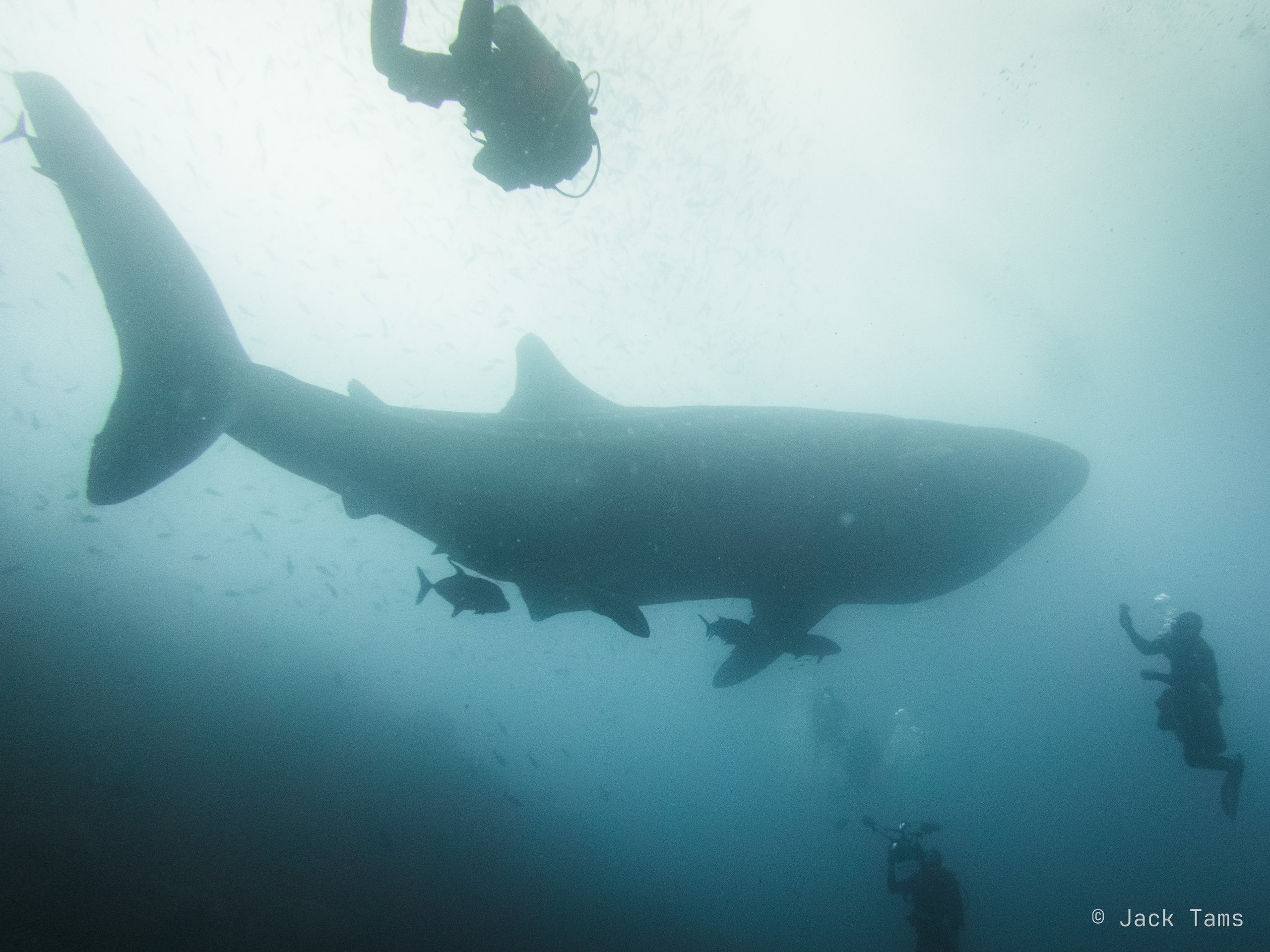
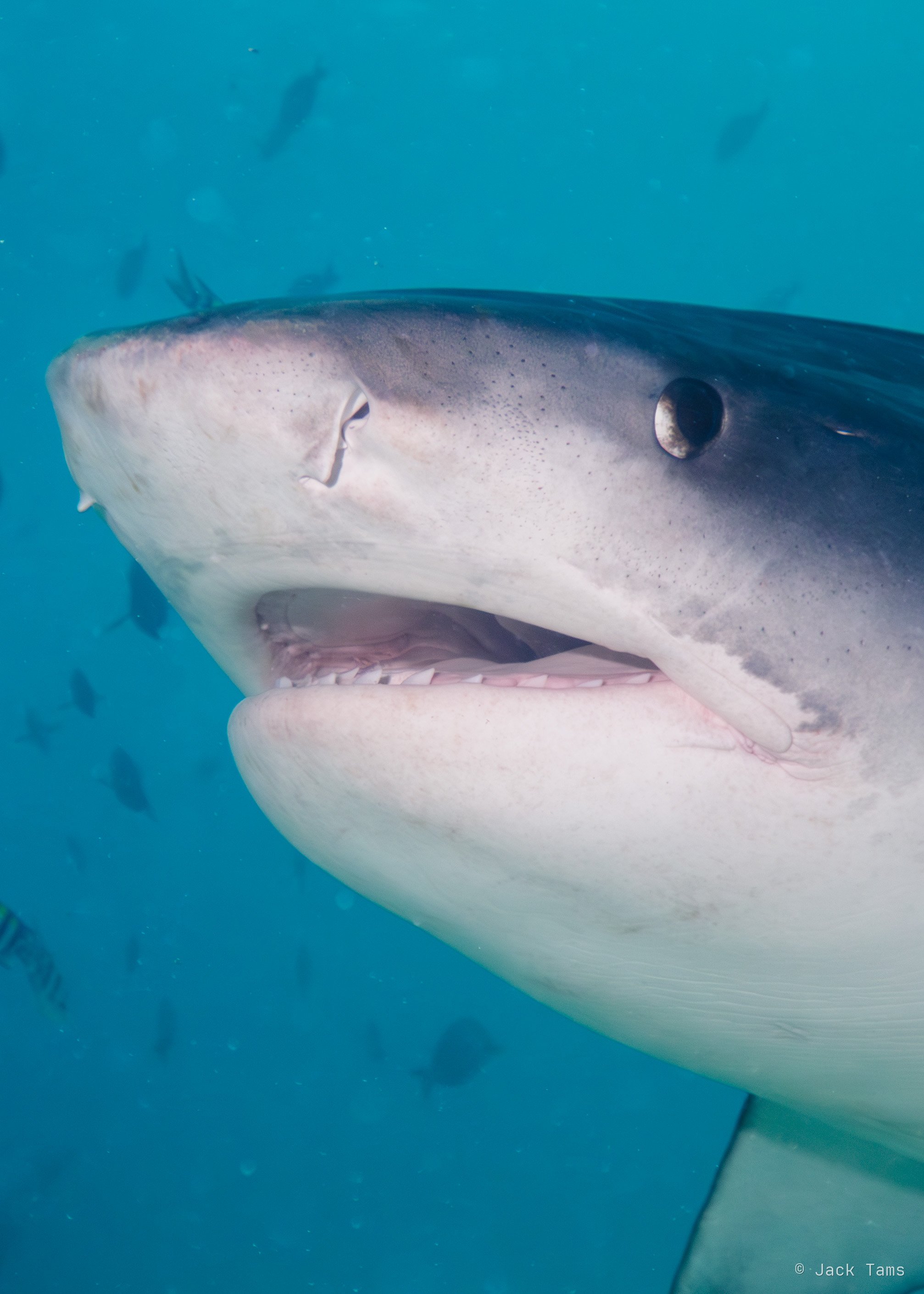
Nauticam NA-A7RV, 2026
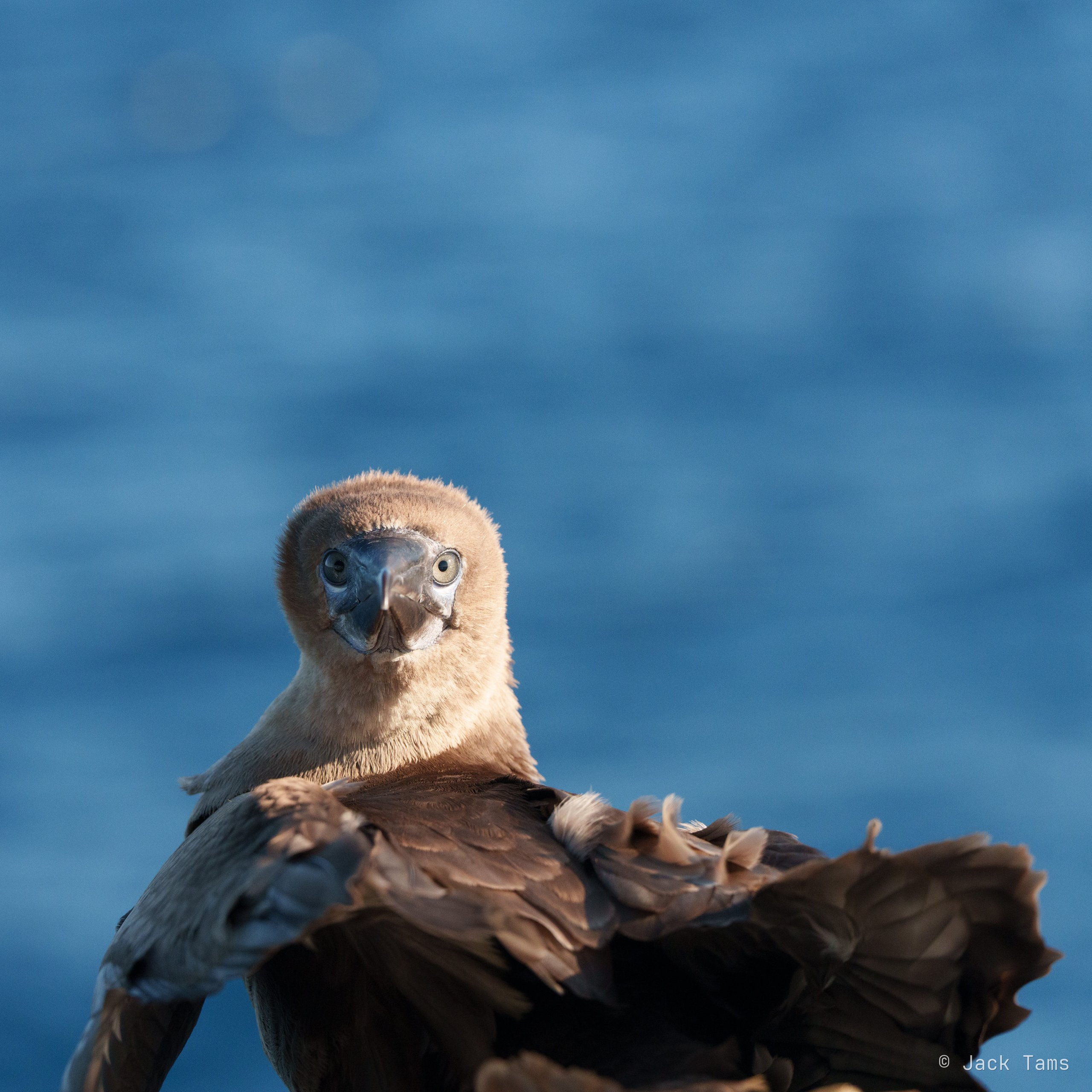
The NA-A7RV is Nauticam’s housing for the Sony A7R V, a camera I first bought for the land photos on my Galápagos trip. I’d always shot Nikon DSLRs above water, a D80 among them, and went looking for a Nikon mirrorless, but the 70–200mm was such a joy to use that I made the jump to Sony.
Now the A7R V goes underwater too, with two setups: the 28–60mm behind a flat port, or the 100mm macro with a 2x teleconverter behind a macro port on an extension ring. The 28–60mm is a relatively cheap kit lens next to the 16–35mm and the 70–200mm, but behind the flat port it opens up Nauticam’s water-contact wet lenses: the WWL-1B wide-angle, and the CMC and SMC close-up lenses. In his review of the A7R V, Alex Mustard calls it “the best lens to use with Nauticam wide angle optics”, and finds it “hard to get excited by 16-35mm” lenses, which “are less wide, can zoom in less and are optically inferior underwater”. I’m keeping the 16–35mm for land, though: I really like it there, and it’s a very compact lens to walk around with.
No photos from it underwater yet, but a trip to another bucket-list location after the Galápagos, Wakatobi, is coming soon.
The new setup
Pick a part, on the drawing or in the key, to read about it.
housing
Nauticam NA-A7RV
Aluminium, rated to 100 m. 340 × 170 × 127 mm and 2.7 kg in air, about 0.3 kg in the water with the camera in. Takes Nauticam’s N100 ports for Sony E-mount, has a port locking lever for quick lens changes, and two handles with mounting balls.
camera, inside the housing
Sony A7R V
61 megapixels and autofocus that’s hard to believe make it a demon: even when I clumsily frame something, there are nearly always pixels to spare for a crop without losing any quality. Alex Mustard called it “the best focusing camera I have used underwater”. I really like this camera and its form factor, and I hope it’s just as enjoyable to use underwater as above.
port · standard
Nauticam N100 Flat Port 45 with Focus Knob
For the 28–60mm, with a knob to focus by hand.
lens, inside the port · standard
Sony FE 28–60mm F4–5.6
A relatively cheap kit lens next to the 16–35mm and the 70–200mm, but its focal length and small size suit Nauticam’s water-contact wet lenses, which go on the flat port: the WWL-1B takes it to 130° wide, and the CMC and SMC close-up lenses take it in close.
port, for the Sony FE 100mm F2.8 · macro
Nauticam N100 Macro Port 125
The port made for the 100mm macro, on the extension ring.
extension ring · macro
Nauticam N100 Extension Ring 30 II
30 mm between the housing and the macro port, the room the teleconverter needs behind the lens.
lens, inside the port · macro
Sony FE 100mm F2.8 Macro GM OSS
TODO: the macro lens.
teleconverter, between the lens and the camera · macro
Sony FE 2X Teleconverter
Doubles the 100mm to 200mm and its 1:1 to 2:1, life size twice over, for two stops of light: f/2.8 becomes f/5.6.
on the camera's hot shoe, inside the housing
Nauticam Mini Flash Trigger
Fires the strobe by light down a fibre-optic cable, fast enough for bursts. Manual only, no TTL: the power is set on the strobe itself. Two CR2450 cells, about 10,000 flashes. On the A7R V there’s slight black banding at the top of the frame at 1/250, none at 1/200. I’ve gone for it because I don’t mean to buy new strobes yet. If I did, I’d look at high-speed sync (HSS) triggering, and perhaps a pair of Retra strobes, but they’re very expensive to justify right now. So I’m keeping my perfectly adequate INON S2000.
housing
Nauticam M14 Vacuum Valve II
The housing’s vacuum check and leak alarm are built in, with coloured LEDs for the vacuum and a sound and light if it leaks. The valve is what you pump it down through.
on the left handle
Weefine WFA03 remote
Sets the mode and brightness of both Weefine lights from the housing, rather than reaching out to each light’s own buttons. That gives me many more options, and it’s much easier to adjust things, especially with the arms set out wide. It also links the lights to the strobe: when the S2000 fires, they can be set to cut out or to boost.
light, a v1 with the v2's control head
Weefine Smart Focus 5000
Bought in 2022 as the first version; with the control head since replaced, it’s effectively a v2. 5,000 lumens at 5,700 K, CRI over 80, in a 100° beam, plus red, green and blue light. Power in 10% steps; about 60 minutes at full. A 14.4 V 3,400 mAh battery, 2 hours to charge. 71 × 141 mm, 590 g on land and 245 g in the water, rated to 100 m.
snoot, on the Smart Focus 5000 · macro
Weefine WFA41 Optical Collector (M52)
A snoot, to narrow the light to a spot. I’ve had it a while but rarely used it; with a more focused macro setup I hope to get more creative with it.
light
Weefine Smart Focus 10000
10,000 lumens at 5,700 K, CRI 80, in a 120° beam, and a strobe mode up to 12,000 lumens. About 60 minutes at full flood on four 21700 cells. 163 × 73 × 107 mm, 825 g on land and 380 g in the water, rated to 100 m. It has ports for the remote and for a strobe.
strobe, not on the rig · macro
INON S2000
Guide number 20, 105° × 95° (110° round with the diffuser). S-TTL auto, or manual in 12 steps; four AA cells and 1.5 s to recycle at full. With the manual flash trigger, its power is set by hand. Discontinued now. It’s not the newest or flashiest strobe around, but it’s still solid and will work well for macro subjects. With the light remote, the lights can be set to cut out or to boost when it fires.
two of them, the long ones
Divetek D52-220 float arms
two of them, the short ones
Divetek D52-160 float arms
clamps