$ cat notes/30-by-30.md
30% of the ocean by 2030
World leaders are in Yerevan until 30 October for COP17, the UN biodiversity conference. Four years ago in Montreal they signed up to “30×30”: protecting 30% of the world’s land and ocean by 2030. So far about 10% of the ocean has some kind of protection, and only around 3% is fully or highly protected, the kind where nothing is fished or dug out. A lot of the rest is protected on paper only. Bottom trawling, dragging heavy nets across the seabed, still goes on inside many marine protected areas, including plenty in UK waters.
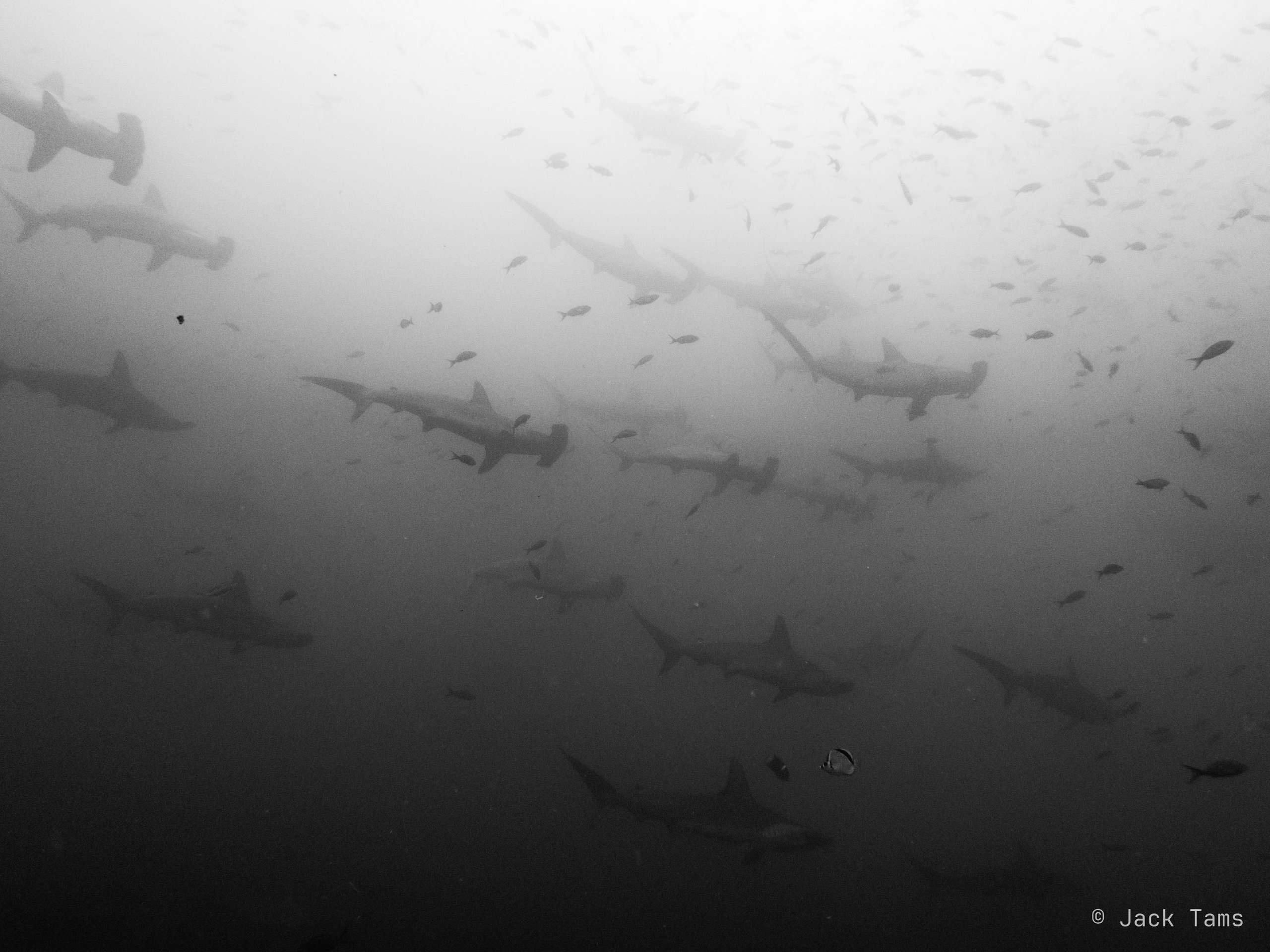
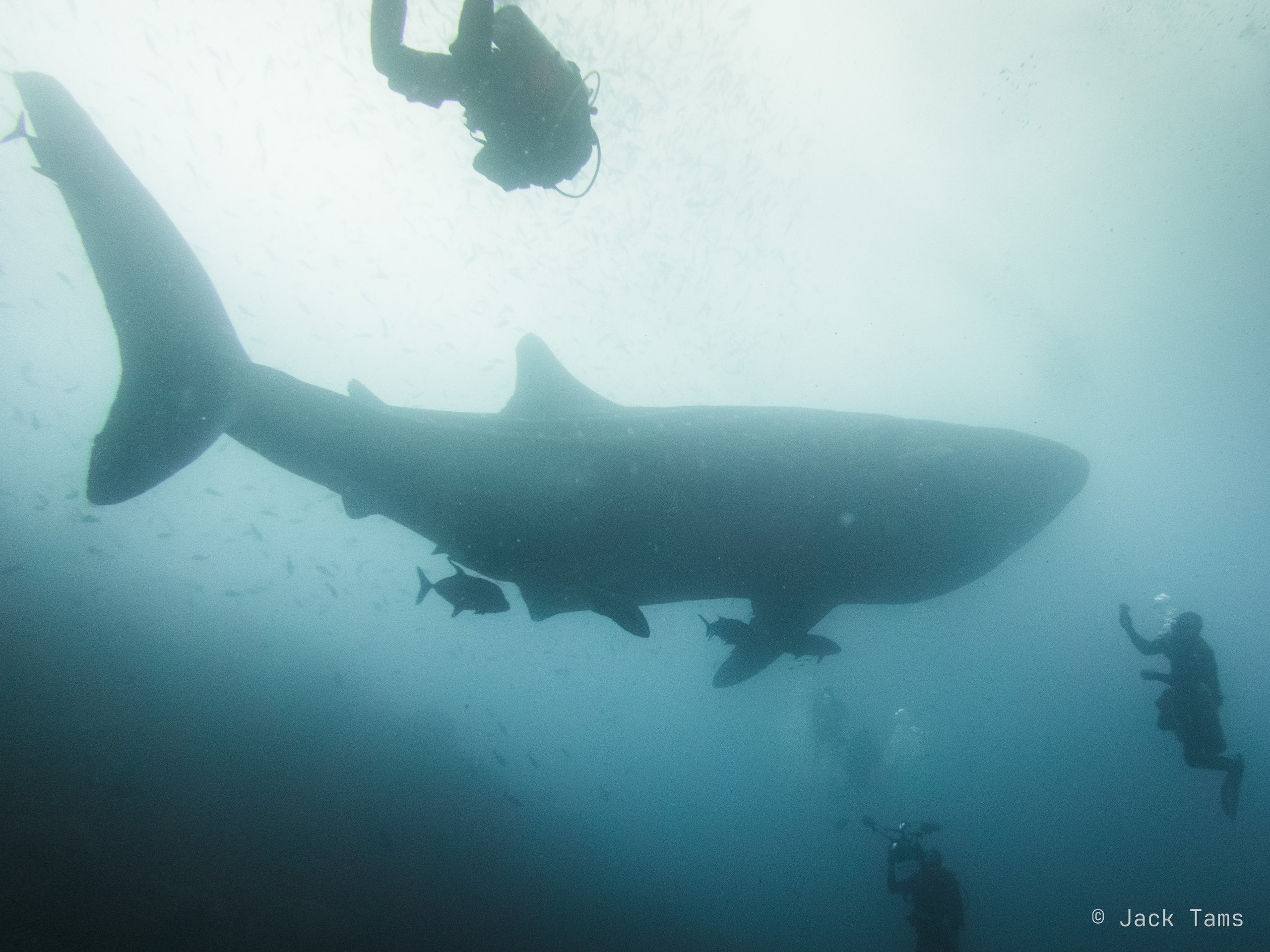
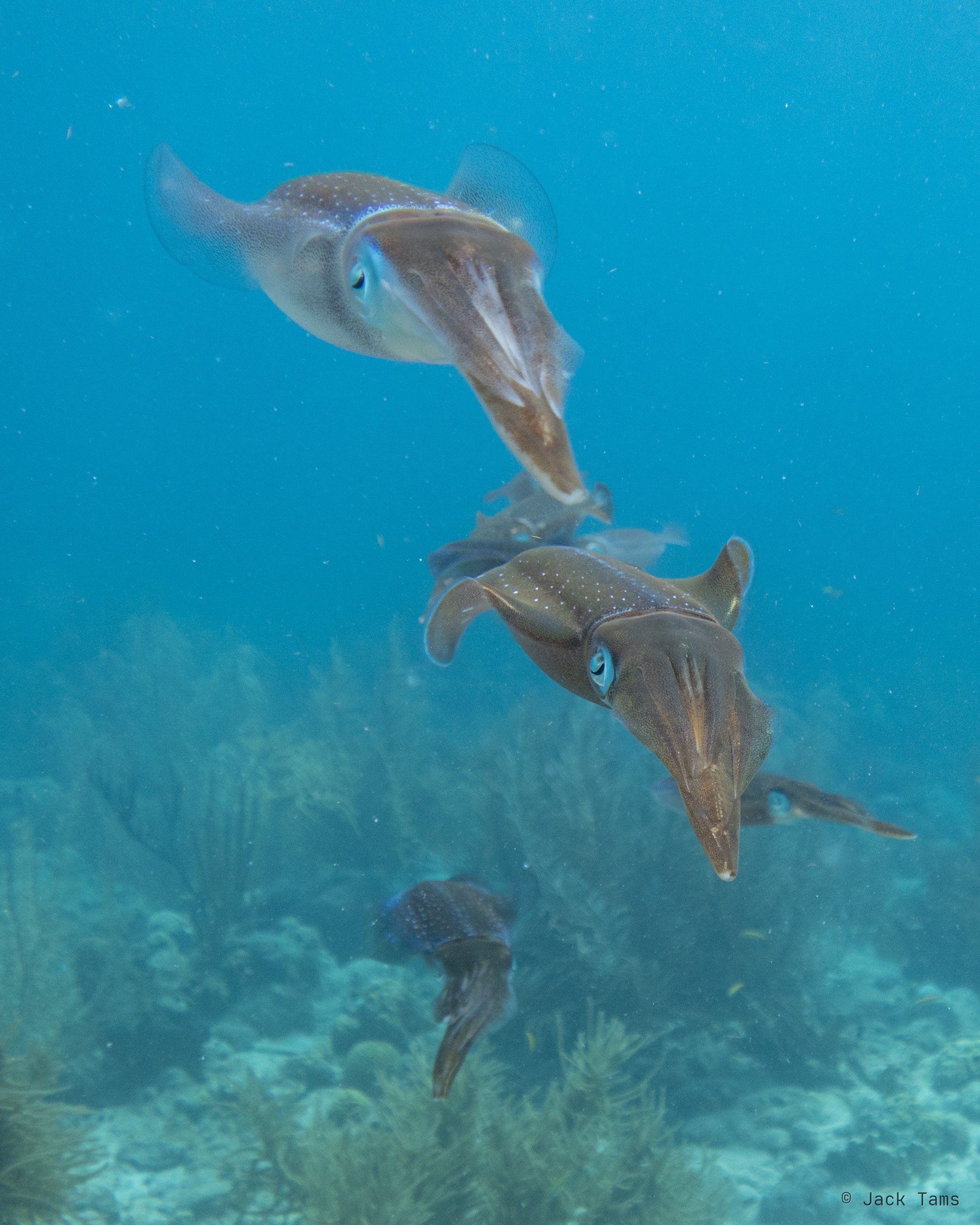
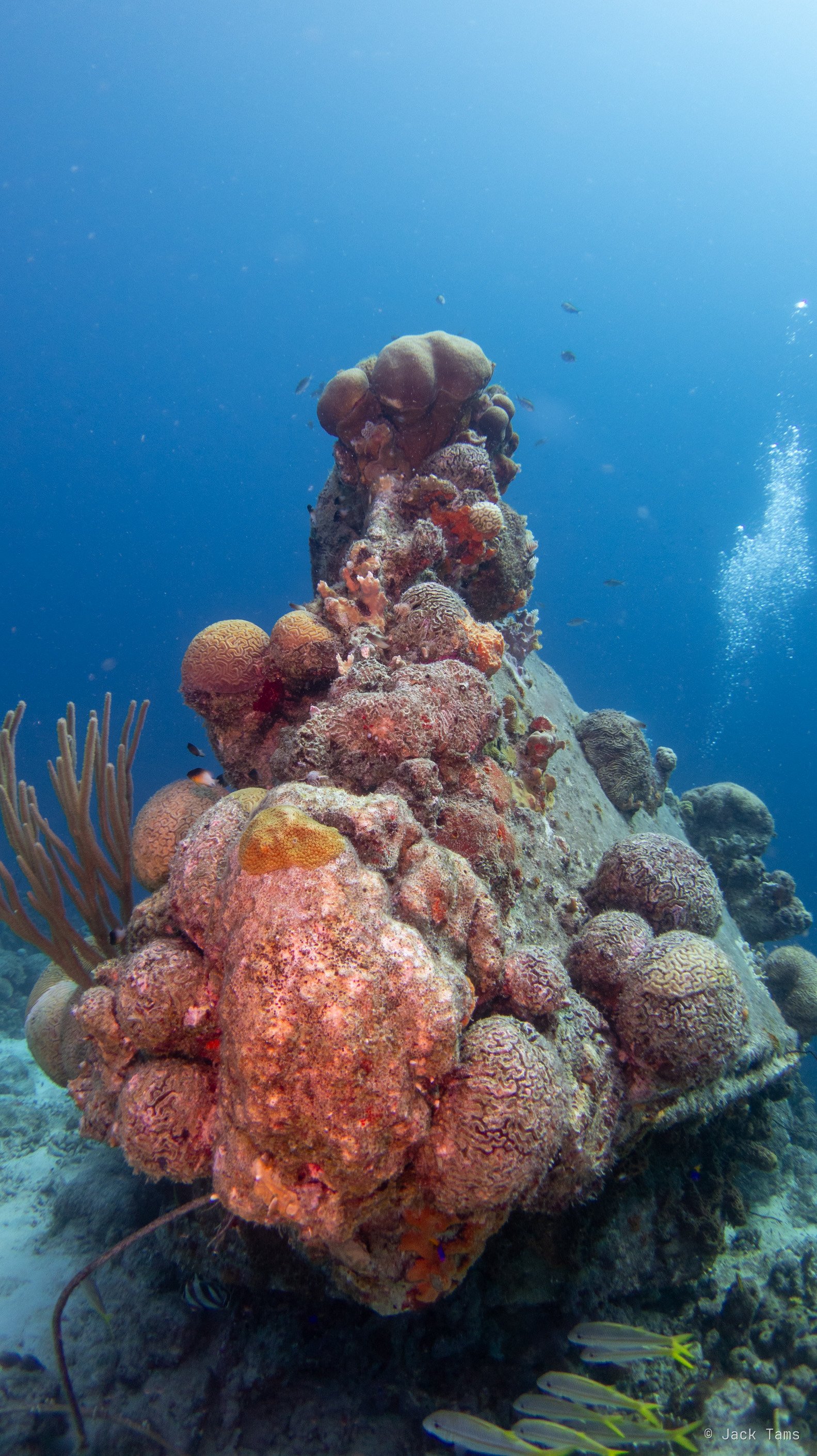
From behind a mask, the difference shows. Nearly all of the best diving I’ve done has been somewhere that’s properly protected: the hammerheads at Darwin and Wolf in the Galápagos Marine Reserve, and Bonaire, where the whole coast has been a marine park since 1979. The big animals and healthy reefs aren’t a coincidence. They’re what’s still there when nobody’s taking them out.
30% has to mean something in the water, not just on a map.